The New iPhones Bored Me, So I Got a Foldable Android Phone Instead.
After years of small, predictable updates, I decided to skip the iPhone upgrade cycle last September and try something different. Here’s why the Pixel Fold Pro might finally make foldables feel mainstream.
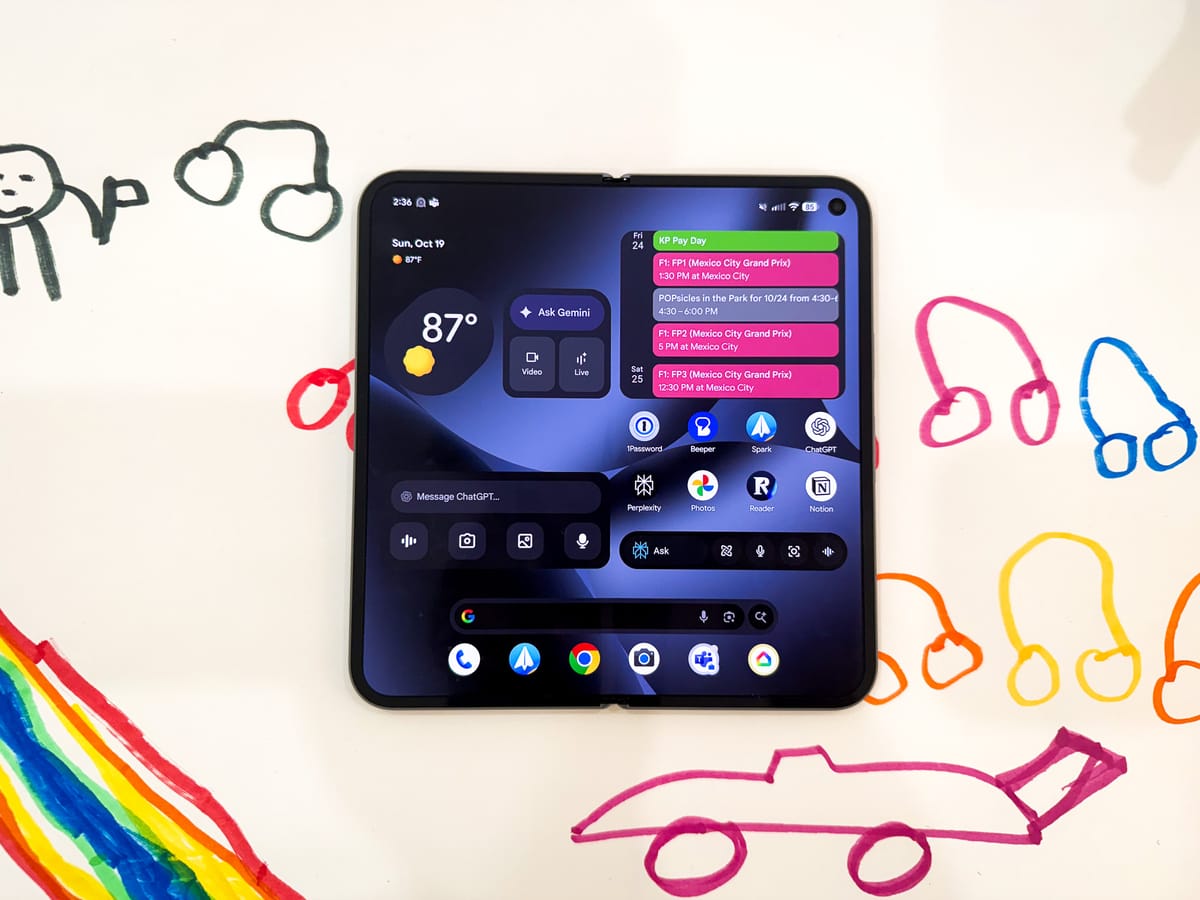
The Annual Ritual of Underwhelming Updates
Apple had it's annual event in September and I couldn't help but feel... underwhelmed.
The annual Apple iPhone launch event used to be an appointment I’d eagerly anticipate. For years, it felt like a genuine glimpse into the future. But as I sat through this year's keynote for the new iPhone 17 Pro, I wasn't filled with excitement. I was just... bored.
I'm currently on an iPhone 16 Pro. As the presentation rolled on, I ticked off the expected, iterative updates:
- The expected A19 Pro chip. (Faster? Of course.)
- The camera updates. (Better low light? Naturally.)
- A new 18MP front-facing camera with Center Stage. (Nice, but is it a reason to upgrade?)
- A switch back to an aluminum unibody. (A change, but not a revolution.)
It was all perfectly fine, perfectly competent, and perfectly predictable. Not even the new, vibrant orange color—and believe me, I was looking for a reason—could spark any desire to move from my 16 Pro to the 17 Pro. The "slab" phone, it seems, has reached its plateau.
What really crystallized this feeling was the announcement of the new "iPhone Air." It's clear Apple is thinking about form factor, but their current focus is on making things impossibly thin. Why? Perhaps a possible folding iPhone? Either way, today, the iPhone Air doesn't solve a problem and doesn't add new utility.
And that's when my mind drifted to the other big phone announcement: the new Google Pixel 10 Pro Fold.
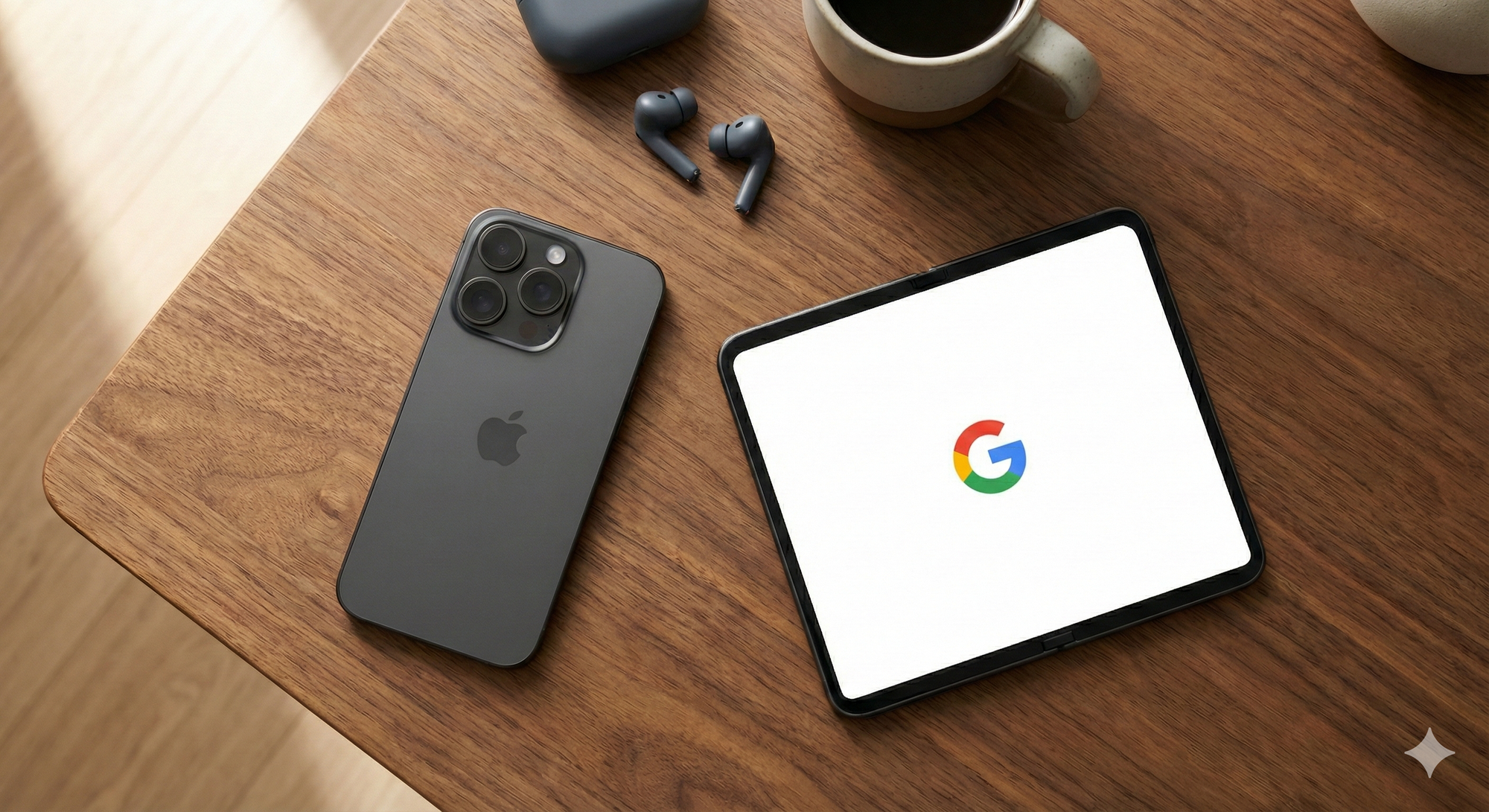
A Glimpse of the Future
This feeling has been building. Over the summer, I spent some time traveling in Europe. Then, I had family visit from Mexico. In both cases, I was struck by something I rarely see in the U.S.: foldables. And not just one or two—I saw a significant number of Samsung Galaxy Z Fold devices out in the wild.
It was a clear signal that the rest of the world is adopting this form factor much more quickly. This is likely because those markets have more options. They haven't just had Samsung; they've had innovative foldables from Huawei, Oppo, Honor and others for years. That competition has been pushing the technology, maturing the hardware, and normalizing the idea for the public.
Here in the U.S., our journey has been slower. But I had a taste of it. I spent some time with the original Pixel Fold, and I was immediately captivated by its "passport" form factor. Unlike other foldables that are awkwardly tall and skinny when closed, the Pixel Fold felt like a small notebook. It was a usable phone when closed and a small, practical tablet when open.
That positive memory, contrasted with Apple's "boring" update, is what started this idea.
The "1st World Problem" I'm Desperate to Solve
I live a life of device friction. I know this is the definition of a "first-world problem," but it's a genuine snag in my daily productivity.
My current setup includes my iPhone, an iPad Pro, and my laptop. My work requires me to be mobile—traveling, reviewing documents, and taking calls. This is where the friction happens, and I know I'm not alone in this.
It’s a scenario that plays out daily:
- An important email arrives on my iPhone.
- I open it and see it contains a complex document or a dense spreadsheet.
- I sigh. I can pinch-and-zoom my way through it, but it’s a miserable experience.
- I tell myself, "I'll deal with this when I get to my iPad or laptop."
- I close the email, and the task gets mentally "paused."
More often than I'd like to admit, that "pause" becomes permanent. The task is forgotten, lost in the shuffle between devices. The tiny bit of friction in stopping, pulling out a second device, and re-finding that task is just enough to break my workflow.
The Foldable Promise: Finishing What I Start
This is the core appeal of the Pixel 10 Pro Fold for me. It's not just about having a cool, folding screen; it's about the promise of a frictionless workflow.
Imagine that same scenario:
- The email with the spreadsheet arrives.
- I see it on the cover screen, which is shaped like a normal, usable phone.
- I realize I need more space.
- I simply unfold the device.
- The same app seamlessly transitions to the large internal display. I can now see the whole document, review it, and fire off a reply.
- I fold the phone, put it back in my pocket, and the task is done.
This ability to start something on a small screen and instantly expand your real estate to finish it is, for me, the most compelling innovation in mobile tech in a decade. It’s the idea of having a phone and a tablet in a single object. It's about finishing what I start, right in the moment.
My One-Year Plan: A Low-Risk Productivity Experiment
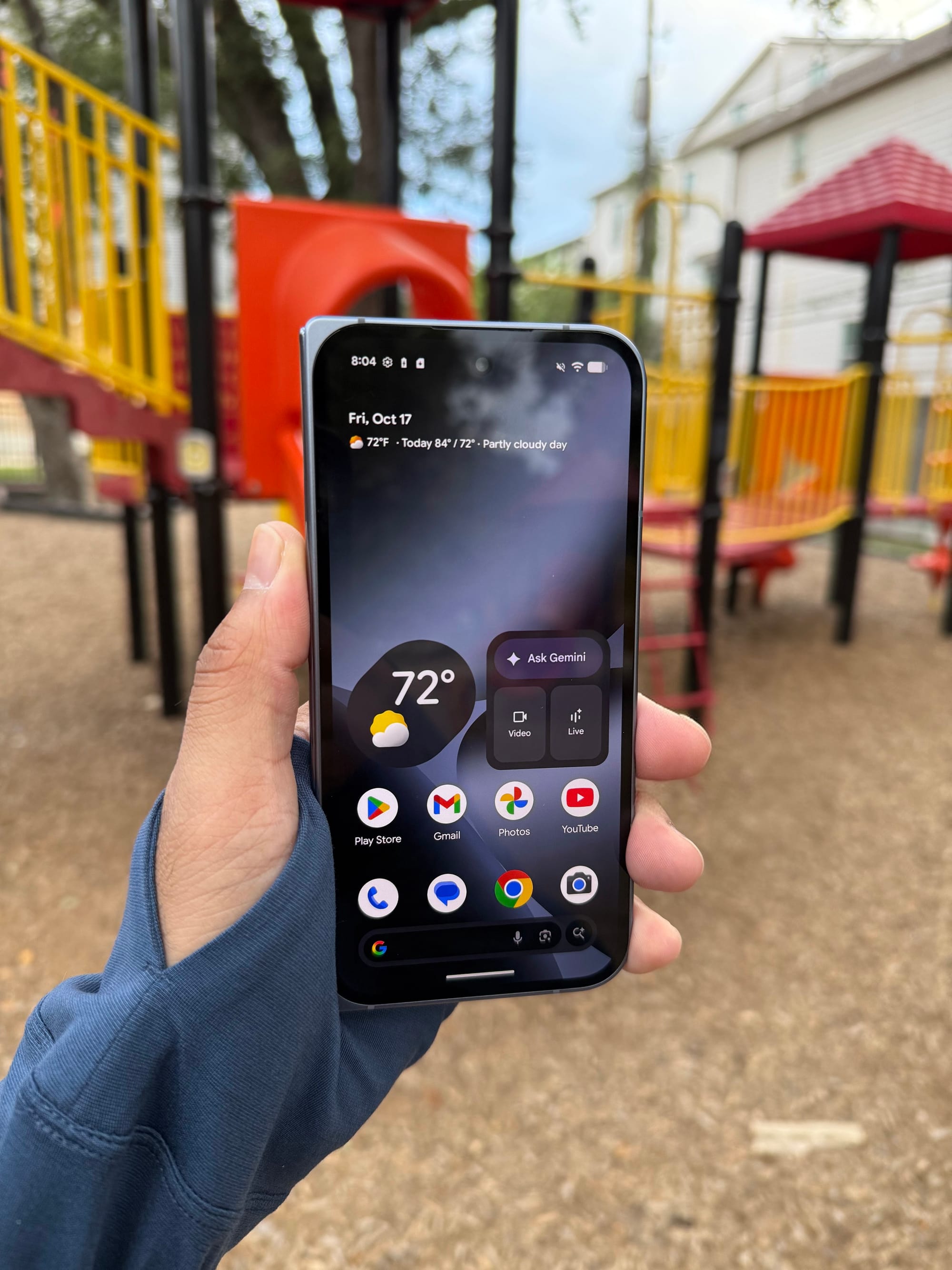
So, I’m running an experiment. I already have separate personal and work phone lines. This is the perfect opportunity.
I'm moving my work line over to the new Pixel 10 Pro Fold for one year.
This seems like the smartest way to test the hypothesis. My personal "blue bubble" life—my iMessage and FaceTime with family and friends—remains untouched on my iPhone. This new device will be a dedicated productivity partner. I'm not betting my entire digital life on it, but I am betting my workflow on it.
Can it replace the need to carry my iPad Pro on short trips? Can it help me be more responsive and effective when I'm away from my desk? This is what I intend to find out.
The Long Game: Getting "Foldable-Ready" for the Inevitable iPhone Fold
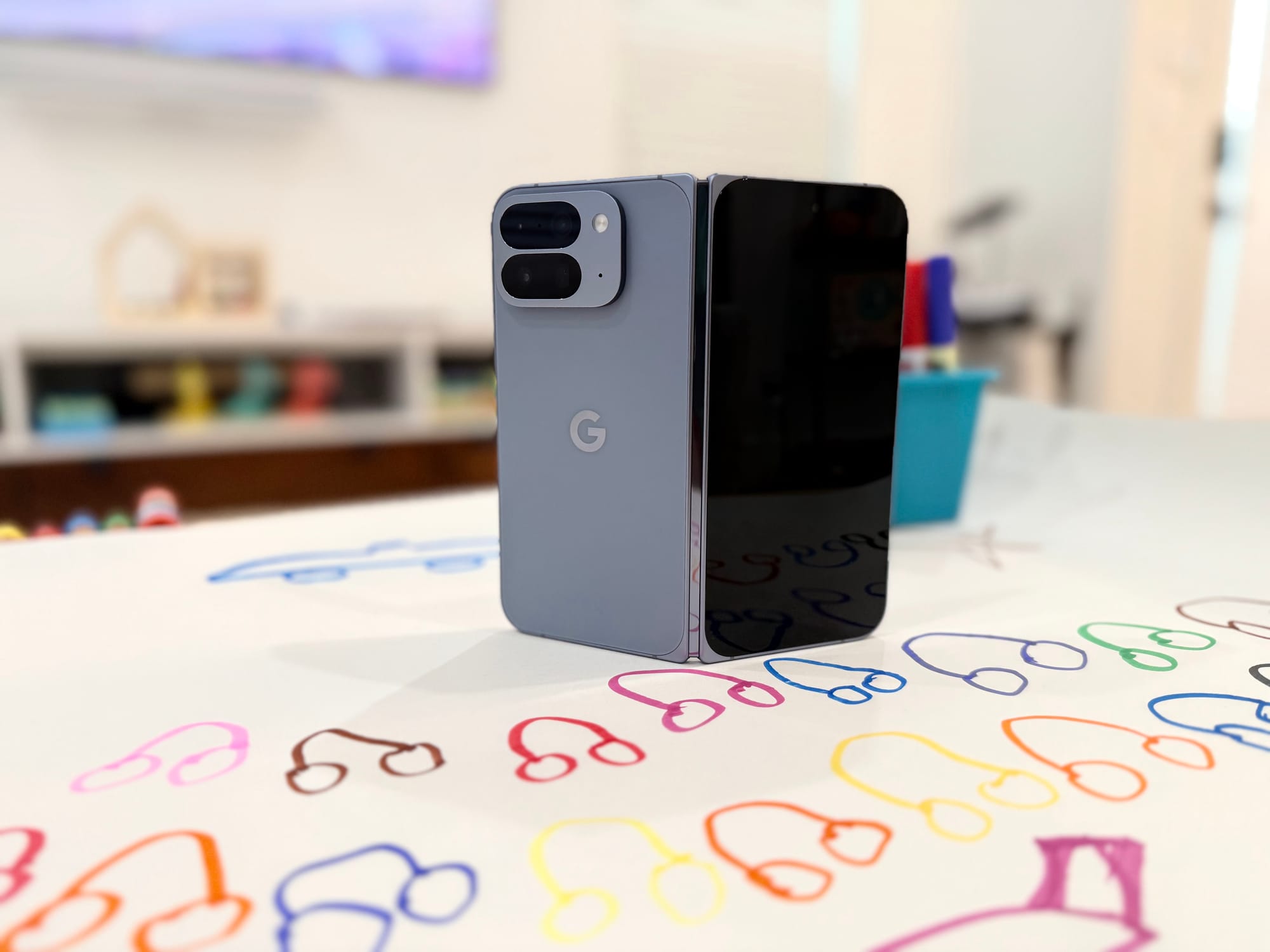
Let's be honest, there's another, more strategic angle to this. I'm on the bandwagon that says a foldable iPhone is inevitable. Analyst reports and supply chain rumors all but confirm it, placing a potential "iPhone Fold" launch in the 2026 or 2027 window.
At this point, that's really the main thing that would determine whether I go through the effort (and expense) to buy a new iPhone.
By using the Pixel 10 Pro Fold now, I'm essentially getting used to the foldable phone experience. I'm learning the muscle memory, discovering the new software paradigms, and finding out what I really value in this form factor.
This experiment is my gateway. It's my way of preparing for what I believe is Apple's next big move. When Apple does finally release their first foldable, I won't be a tourist. I'll have a full year of experience, and I'll know exactly what to look for.
What's Next? (And What Do You Think?)
This is where the journey begins. I've got the phone, I'm setting it up, and I'm committing to it for the next 12 months.
I'll be back in a few weeks and months with a full, in-depth review of the Google Pixel 10 Pro Fold itself—the good, the bad, and the crease.
But for now, I'm curious: Are you feeling bored with the current state of "slab" phones? Does the promise of a foldable appeal to you, or does it feel like a gimmick? Let me know!